
Silver Coins for IRA
Companies featured here may provide compensation for click throughs. This is how I maintain free research for consumers. My full disclosure of who I invested with is on this page for transparency.
 By Tim Schmidt Sr.
Gold and Silver IRA Investor.
A Precious Metal IRA is a specialized self-directed individual retirement account that allows investors to diversify their retirement savings with physical precious metals, including silver, gold, platinum, and palladium. Unlike traditional IRAs that are limited to stocks, bonds, and mutual funds, a self-directed IRA gives you the flexibility to hold tangible assets such as silver coins, silver bars, and silver rounds. This approach not only broadens your investment options but also provides unique tax advantages, as gains within the account can grow tax-deferred or even tax-free, depending on whether you choose a Traditional or Roth IRA structure.
The Internal Revenue Service (IRS) has established strict guidelines to ensure that only high-quality, genuine precious metals are eligible for inclusion in a Precious Metal IRA. Only IRA approved silver products — such as official bullion coins and bars that meet minimum fineness standards—can be held in these accounts. Investors benefit from the security and peace of mind that comes with knowing their retirement fund is backed by real, physical assets stored in an IRS-approved depository. By incorporating silver, gold, and other precious metals into your retirement account, you can create a more resilient and diversified portfolio that is better equipped to weather economic uncertainty.
How Silver Fits Into an IRA
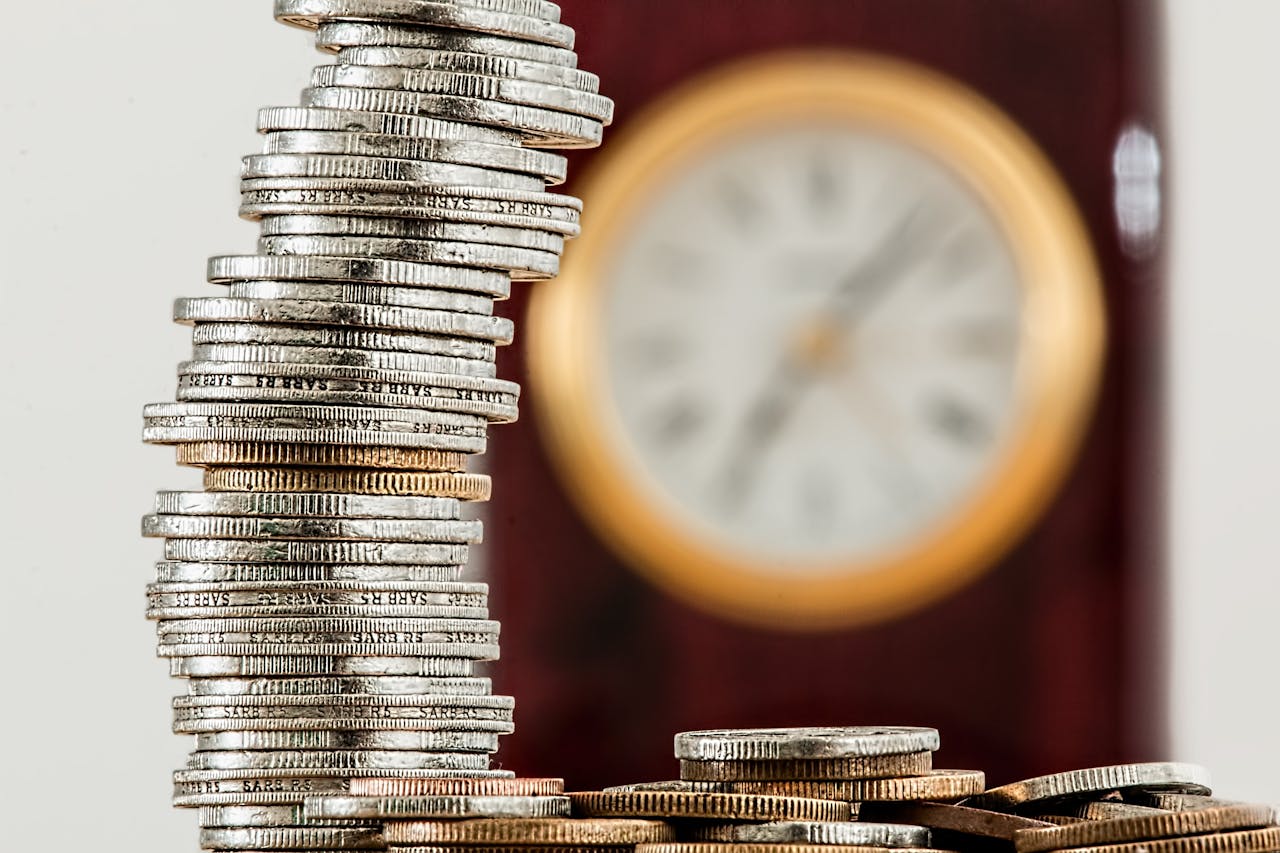
Silver inside a self‑directed IRA is typically used as a non‑correlated asset to complement equities and bonds. Its historical role as monetary metal, broad industrial demand, and price volatility can provide both diversification and a potential hedge against currency debasement and market stress.
Within an IRA, the investor doesn’t take personal possession. Instead, the IRA’s custodian owns the assets on behalf of the account, and an approved depository stores the coins. Gains and losses accrue within the IRA, allowing tax deferral (Traditional) or potential tax‑free growth (Roth) depending on account type.
Allocation is personal and should reflect risk tolerance, time horizon, and overall portfolio design. Some investors anchor 5–10% of total retirement assets in precious metals, adjusting up or down based on views of inflation, interest rates, and equity market concentration. Silver’s higher volatility than gold can enhance diversification benefits, but it can also amplify drawdowns: disciplined sizing and rebalancing matter.
Investors must conduct their own research and decision-making when managing a self-directed IRA. For a closer look at eligible silver coins and bars, continue to the next section.
Benefits of Investing in IRA Approved Silver
Investing in IRA approved silver offers a range of compelling benefits for those looking to strengthen their retirement portfolios. Silver coins and silver bars are tangible assets that can serve as a hedge against inflation, currency devaluation, and market volatility. By including IRA approved silver products in a self-directed IRA, investors gain access to the tax advantages associated with retirement accounts—such as tax-deferred growth in a Traditional IRA or potential tax-free withdrawals in a Roth IRA.
The Internal Revenue Service (IRS) ensures that only eligible, high-purity silver coins and bars can be included in an IRA, providing investors with confidence in the authenticity and quality of their holdings. Popular IRA approved silver products include the American Silver Eagle, Canadian Silver Maple Leaf, and British Silver Britannia, all of which are recognized for their liquidity and global acceptance. By diversifying with silver, investors can protect their retirement savings from economic downturns and potentially enhance long-term returns, all while enjoying the security and oversight provided by IRS regulations.
IRS Rules: Eligibility, Purity, and Storage
The Internal Revenue Code (IRC §408(m)) and IRS guidance govern precious metals in IRAs.
- Eligibility: Precious metals are generally treated as collectibles (which IRAs cannot hold), but there are specific exceptions. IRS‑approved bullion and certain coins are permitted if they meet fineness standards and are held by a qualified trustee or custodian. Eligible product types include coins, bars, and rounds, which must be manufactured by approved mints or refineries. Most certified coins, such as graded and slabbed coins, are not accepted for IRAs, with exceptions like Proof American Eagles. Private mints can issue IRA-eligible silver bars and rounds if they meet purity and manufacturing standards. The American Silver Eagle, as the official silver bullion coin of the United States, is expressly allowed by statute, even though its fineness differs from some generic standards. Good delivery silver bars are also eligible for inclusion in a precious metals IRA and are considered acceptable for settling trades on major stock exchanges.
- Purity: For silver, the minimum fineness is typically .999 (99.9%). Silver bars must be produced by an NYMEX- or COMEX-approved assayer and contain at least .999 pure silver to be IRA-approved. Coins must be investment‑grade bullion issues from recognized mints. Not all silver rounds qualify as IRA-approved silver bullion, as they must be minted by approved manufacturers. Some earlier issues of otherwise reputable coins may not meet today’s fineness and are not eligible. Pre-1965 90% silver coins are not approved for inclusion in a Silver IRA due to their lower purity. Standard weights for silver bars and coins are important for IRA eligibility, as they help validate the product and ensure compliance with IRA regulations.
- Storage: Personal possession is prohibited. Coins must be held by an IRS‑approved trustee/custodian and stored in an approved depository. “Home storage” IRAs and safe‑deposit boxes controlled by the investor risk violating the rules, potentially triggering a taxable distribution and penalties.
- Prohibited transactions: The account holder and other disqualified persons (spouse, lineal family, entities they control) cannot use IRA metals as collateral, transfer them for personal use, or otherwise self‑deal.
Investors should confirm custodian policies, as many custodians further limit what they will hold beyond the minimum IRS rules.
Eligible Silver Coins for IRAs
Silver bullion coins are a popular choice among investors for IRAs due to their recognized value and liquidity. The American Silver Eagle is one of the best-selling silver coins and is eligible for inclusion in a Silver IRA.
Below are common IRA‑eligible silver bullion coins from government mints. Availability and custodian acceptance can vary: always verify before purchase.
American Silver Eagle
The American Silver Eagle (1 oz, face value $1) is the official silver bullion coin of the United States and is explicitly permitted for IRAs under U.S. law. It contains one troy ounce of .999 fine silver and is among the most recognized bullion coins globally, which helps liquidity. The American Silver Eagle is one of the best-selling silver coins and is eligible for inclusion in a precious metal IRA. Investors should distinguish between bullion and collectible versions: many custodians prefer the standard bullion strike for its lower premiums and straightforward valuation.
Canadian Silver Maple Leaf
The Royal Canadian Mint produces the Silver Maple Leaf (1 oz), which is .9999 fine and widely accepted for precious metals IRAs. The Canadian Silver Maple Leaf Coin is highly popular among investors and is eligible for a precious metals IRA. Its advanced security features (such as radial lines and micro‑engraved privy marks on recent issues) aid authenticity checks. The Maple Leaf typically carries a modest premium over spot while maintaining strong secondary‑market demand.
Austrian Silver Philharmonic
The Austrian Mint issues the Silver Philharmonic (1 oz) at .999 fineness. Euro‑denominated and well‑recognized in Europe and the U.S., it’s commonly accepted by custodians. Premiums are generally competitive with other major sovereign bullion coins, offering a cost‑effective entry for IRA buyers.
Australian Silver Kangaroo and Kookaburra
The Perth Mint’s Silver Kangaroo (1 oz) is .9999 fine and designed as a mass‑market bullion coin with sharp anti‑counterfeit details and typically tight spreads. The Kookaburra series, while also .999 fine in modern issues, features annually changing designs. Some Kookaburra issues can lean collectible: custodians may restrict higher‑premium or limited‑mintage versions, so confirm eligibility for the specific year and type.
British Silver Britannia
The Silver Britannia transitioned to .999 fineness starting in 2013 (earlier issues were 95.8% and generally not IRA‑eligible). Recent Britannias incorporate security elements like micro‑text and latent images. Ensure the purchase year meets .999 purity and that the custodian approves the specific coin.
Proof Issues and Collectibles: What Is and Is Not Allowed
In general, IRAs cannot hold collectibles. But, statutory exceptions and IRS practice allow certain sovereign bullion coins, most notably American Silver Eagles. Proof versions of otherwise eligible coins may or may not be accepted: some custodians allow proof American Silver Eagles in original Mint packaging: others restrict accounts to standard bullion strikes to avoid valuation and premium complications. Numismatic or graded “collector” coins, commemoratives, or vintage pieces that don’t meet the bullion and fineness rules are typically disallowed. When in doubt, provide the exact mint, year, and product designation to the custodian for pre‑approval.
Coins vs. Bars: Premiums, Liquidity, and Storage Considerations
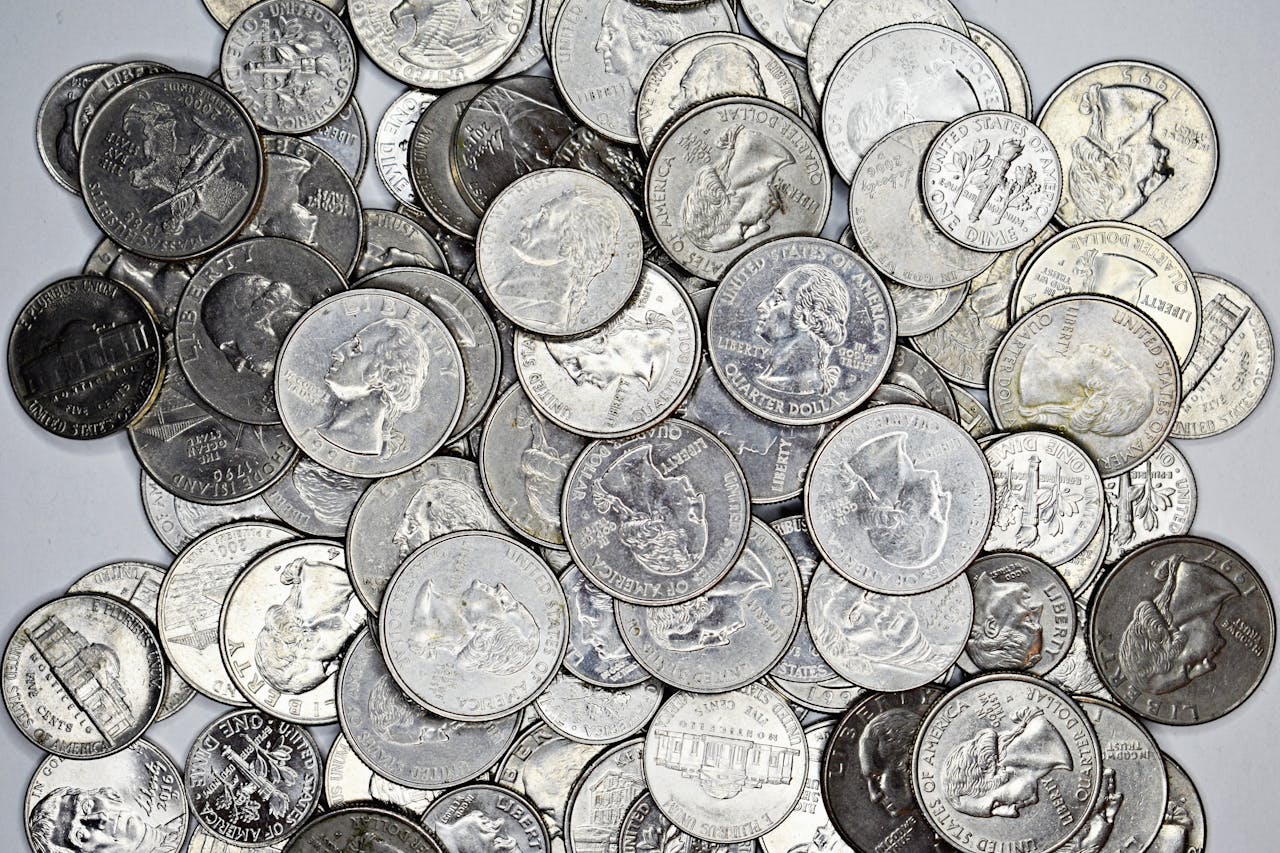
- Premiums: Coins often carry higher premiums over spot than bars due to minting complexity, brand recognition, and smaller lot sizes. For investors seeking maximum ounces per dollar, bars may be cheaper: for smaller, incremental purchases, 1‑oz coins are convenient. Silver bars from private mints are popular among investors for Silver IRAs as long as they meet purity requirements. Scottsdale Mint is a well-known private mint that produces IRA-eligible silver bars.
- Liquidity and recognition: Sovereign coins like Silver Eagles and Maples are instantly recognizable and typically easier to sell or distribute in small lots, which can matter when satisfying required minimum distributions (RMDs) in retirement.
- Storage and insurance: Depositories charge fees that are usually value‑based, sometimes with different rates for segregated vs. non‑segregated storage. Coins and bars alike are eligible when they meet standards: the decision hinges more on cost, liquidity needs, and custodian policy than on storage mechanics.
- Spreads: On exit, coins often retain stronger resale demand, which can narrow the effective spread even though the higher initial premium, though market conditions vary.
Diversifying with Gold and Silver
Diversification is a cornerstone of sound retirement planning, and combining gold and silver within a Precious Metal IRA can offer enhanced protection and growth potential. While both metals are valued for their role as stores of wealth, they each bring unique characteristics to a portfolio. Gold is often seen as a stable hedge against inflation and currency risk, while silver tends to be more volatile, offering greater upside potential during periods of economic expansion or increased industrial demand.
By holding both gold and silver in your IRA, you can balance the stability of gold with the growth opportunities of silver, creating a more resilient investment mix. This approach helps reduce overall portfolio risk and can provide a buffer against market swings that affect traditional assets like stocks and bonds. In addition to gold and silver, investors may also consider other precious metals such as platinum and palladium for further diversification. Ultimately, a well-diversified Precious Metal IRA can help safeguard your retirement savings and position you for long-term financial security.
Step-By-Step: Adding Silver Coins to a Self-Directed IRA
Choose a Custodian and Depository
Open a self‑directed IRA with a custodian that explicitly supports precious metals under IRC §408(m). Review their allowed product list, fee schedule, and depository partners. Leading depositories offer audited, insured storage with options for segregated or non‑segregated holdings.
Fund the Account via Transfer, Rollover, or Contribution
- Transfer: Move funds directly from an existing IRA to avoid withholding and maintain tax sheltering.
- Rollover: From a workplace plan (e.g., 401(k)), request a direct rollover to the new IRA. Indirect rollovers have a 60‑day window and are limited to one per 12 months across IRAs.
- Contribution: Make annual contributions, subject to IRS limits based on age and income.
Select Approved Coins and Execute the Purchase
Work with the custodian (or an approved metals dealer) to place orders for IRS‑approved silver coins, e.g., American Silver Eagles, Canadian Maples, Philharmonics, Britannias, or eligible Perth Mint issues. Confirm product year, fineness, and mint designation. The custodian pays the dealer with IRA funds: coins ship directly to the depository, not to the investor.
Verify Storage, Title, and Reporting
Ensure trade confirmations list the IRA as owner, with proper titling under the custodian. Confirm depository receipts and storage type (segregated vs. non‑segregated). The custodian handles annual reporting (e.g., Form 5498 for contributions and year‑end fair market value: Form 1099‑R for distributions). Retain invoices and statements for accurate valuation and audits.
Costs, Risks, Taxes, and RMDs
Fees, Premiums, and Spreads
Total cost of ownership includes: dealer premiums over spot, custodian account fees, depository storage/insurance, and buy‑sell spreads. Compare all‑in costs before purchasing. Buying in larger tranches can lower per‑ounce premiums, but it concentrates timing risk: dollar‑cost averaging can help smooth entry prices.
Tax Treatment: Traditional vs. Roth and Early Withdrawals
Inside an IRA, annual gains aren’t taxed currently. Traditional IRAs are tax‑deferred: distributions are taxed as ordinary income. Roth IRAs may provide tax‑free qualified withdrawals if holding period and age rules are met. The “collectibles” capital‑gains rate doesn’t apply while assets remain inside the IRA. Early distributions before age 59½ may incur a 10% additional tax unless an exception applies.
RMDs and In-Kind Distributions of Silver Coins
Traditional IRAs must begin RMDs at age 73 under current law. If the account holds silver coins, the owner can:
- Sell sufficient coins to raise cash for the RMD, or
- Take an in‑kind distribution of coins. The fair market value on the distribution date counts toward the RMD and is taxable (Traditional IRAs). The distributed coins then become personal property outside the IRA with a new cost basis equal to the reported value.
Coordination is key: thin liquidity or wide spreads can complicate year‑end RMDs, so many investors plan distributions earlier in the year.
Common Pitfalls and How to Avoid Prohibited Transactions
- Personal possession: Do not take home delivery or store IRA metals in a personal safe or a bank box you control. Use only the custodian’s approved depository.
- Non‑eligible products: Avoid numismatics, commemoratives, or any coin failing fineness rules. When uncertain, seek written custodian approval.
- Self‑dealings: Don’t buy metals from, or sell to, yourself, family, or entities you control. Don’t pledge IRA metals as collateral.
- Documentation lapses: Maintain clear invoices, custodial confirmations, and annual valuations to support tax reporting and audits.
Conclusion
Silver coins for an IRA can strengthen a retirement portfolio with hard‑asset diversification, provided the investor respects the IRS rulebook and understands costs and logistics. The core best practices are straightforward: use a reputable self‑directed custodian, choose only approved bullion coins, store them in an authorized depository, and plan ahead for taxes and RMDs. With that framework in place, silver can serve as a disciplined, durable complement to traditional retirement holdings.
Key Takeaways
- Use silver coins for an IRA to add non‑correlated diversification and a potential hedge, sizing around 5–10% with disciplined rebalancing.
- Follow IRS rules: choose IRA‑eligible .999 silver bullion (e.g., American Silver Eagle, Maple Leaf, Philharmonic, Britannia, select Perth Mint) and store only with an approved custodian and depository.
- When buying silver coins for an IRA, verify the exact coin year, fineness, and custodian acceptance, and ensure the IRA—not you—holds title and receives depository delivery.
- Compare total ownership costs—premiums, custodian fees, storage, and buy‑sell spreads—and consider dollar‑cost averaging and coins vs. bars for liquidity needs.
- Plan taxes and RMDs early: Traditional IRAs are tax‑deferred, Roths can be tax‑free if qualified, and you can meet RMDs with cash sales or in‑kind coin distributions while avoiding prohibited transactions.
Frequently Asked Questions
What silver coins are eligible for an IRA?
IRS rules allow certain bullion coins meeting .999 fineness to be held in an IRA. Common eligible choices include American Silver Eagles (explicitly permitted), Canadian Silver Maple Leafs (.9999), Austrian Philharmonics (.999), Perth Mint Kangaroos/Kookaburras (modern .999+), and 2013‑present Britannias (.999). Always confirm custodian acceptance and approved depository storage.
How do I add silver coins for IRA investing step by step?
Open a self‑directed IRA with a metals‑friendly custodian, fund it via transfer, rollover, or contribution, then select IRS‑approved silver coins for IRA purchase. The custodian pays the dealer with IRA funds and ships directly to an approved depository. Verify titling, storage (segregated or not), and annual reporting.
What allocation of silver coins for an IRA is sensible?
Allocation is personal, but many investors use 5–10% of retirement assets for precious metals, adjusting for risk tolerance, time horizon, and inflation views. Silver is more volatile than gold, so disciplined position sizing and periodic rebalancing are important to capture diversification benefits without amplifying portfolio drawdowns.
How are RMDs handled when my IRA holds silver coins?
At age 73, you can sell enough coins to raise cash for the RMD or take an in‑kind distribution of coins. The fair market value on the distribution date counts toward the RMD and is taxable in Traditional IRAs. Plan early—liquidity and spreads can complicate year‑end distributions.
Can I move silver coins I already own into my IRA?
No. Personal precious metals can’t be contributed in‑kind to an IRA. To gain IRA exposure, sell your coins outside the IRA, then fund the IRA via cash contribution (subject to annual limits) or transfer/rollover from another retirement account. The custodian must purchase approved coins on the IRA’s behalf.
Are silver ETFs an alternative to physical silver in an IRA?
Yes. Many brokerages allow silver‑focused ETFs in standard IRAs, offering price exposure without depository fees. Physical coins in a self‑directed IRA may provide recognized bullion and potential distribution flexibility, but involve premiums and storage costs. Choose based on costs, liquidity needs, custodial options, and personal preference for physical ownership.