
IRA Eligible Silver Coins and Bullion Guide
Companies featured here may provide compensation for click throughs. This is how I maintain free research for consumers. My full disclosure of who I invested with is on this page for transparency.
 By Tim Schmidt Sr.
Gold and Silver IRA Investor.
A Precious Metal IRA is a specialized type of individual retirement account that allows investors to hold physical precious metals—such as silver coins, gold coins, platinum, and silver bars—instead of traditional paper assets. By including IRA approved silver coins and silver bullion coins in your retirement plan, you can add a layer of diversification and stability that helps protect your portfolio from market fluctuations and inflation.
Precious metals like silver and gold have long been valued for their ability to act as a hedge against economic uncertainty. When you invest in a precious metal IRA, you’re not just purchasing silver or gold; you’re securing assets that can help maintain purchasing power over time. The IRS has established strict guidelines for IRA approved precious metals, requiring that silver, gold, platinum, and palladium products meet specific purity and fineness standards. For example, IRA approved silver must be at least 99.9% pure, and bullion coins or bars must be produced by recognized mints or refineries.
Adding approved silver coins, silver bullion, and gold coins to your IRA can help you meet your long-term retirement goals by providing a tangible asset that complements stocks and bonds. This approach not only helps hedge against inflation but also supports a more resilient and diversified portfolio, giving you greater confidence in your financial future.
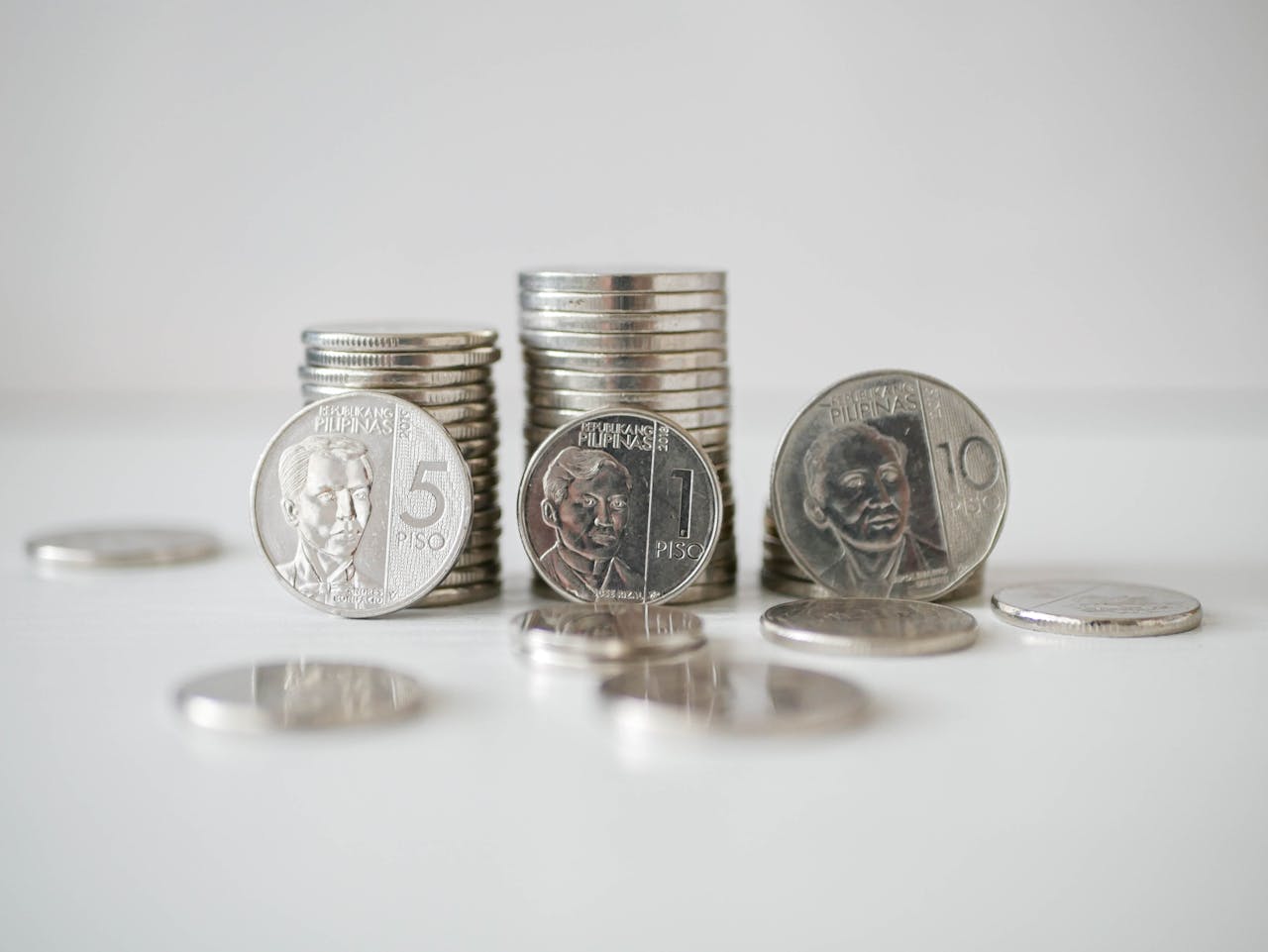
IRA Approved Silver
What “IRA Approved” Actually Means
In the tax code, not all silver is treated equally. Under Internal Revenue Code Section 408(m)(3), only specific types of bullion and coins qualify for IRAs. In practice, that means:
- Fineness: Silver must meet a minimum purity of 0.999 (99.9%).
- Form: Coins and bars must be produced by a government mint or a refiner/assayer meeting standards from recognized bodies (e.g., LBMA, COMEX/NYMEX, ISO). Silver bullion coins must also have legal tender status and be minted by recognized government mints to be considered IRA-approved.
- No “collectibles”: Numismatic or rare coins typically aren’t allowed. Proof coins can be tricky, most proof or collectible issues are excluded unless they meet the bullion criteria and aren’t classified as collectibles under IRS rules.
- Custody: The silver must be held by an IRS-approved trustee or custodian. Personal or “home storage” is not permitted.
In short, “IRA eligible silver” refers to bullion-grade products that meet purity and production standards and are stored in qualified custody. Not all silver coins or bars qualify for a silver IRA account; only those on a pre-approved list are eligible.
Common IRA-Eligible Silver Products
Most mainstream bullion that investors recognize can qualify, provided it meets the 0.999 standard and is sourced appropriately. Examples include:
- American Silver Eagle (1 oz) – U.S. Mint, .999 fine: widely accepted and highly liquid.
- Canadian Silver Maple Leaf (1 oz) – Royal Canadian Mint, .9999 fine: strong security features.
- Australian Silver Kangaroo or Kookaburra (1 oz) – Perth Mint, typically .9999 fine.
- Austrian Silver Philharmonic (1 oz) – Austrian Mint, .999 fine.
- Approved silver bars – .999 fine (or higher) from LBMA Good Delivery refiners (e.g., 1 oz, 10 oz, 100 oz bars). Hallmarks and serial numbers aid verification. Johnson Matthey is an example of an approved manufacturer of silver bars suitable for IRA accounts.
In addition to coins and bars, silver rounds are also IRA-eligible if they meet the required purity standards and are produced by approved private mints. Silver rounds are similar in appearance to coins but are not legal tender. They are issued by private mints and must meet specific purity standards to be IRA-approved.
Non-eligible products typically include commemorative or numismatic coins that derive value from rarity or condition rather than pure bullion content.
How a Silver IRA Works (Self-Directed IRA)
To set up a Silver IRA, you must establish a valid IRA and have cash available in the account.
A precious metals IRA is almost always a self-directed IRA (SDIRA). The mechanics:
- Choose a qualified custodian: The IRA must be administered by a bank, trust company, or IRS-approved custodian specializing in alternative assets. They handle recordkeeping, reporting, and approved storage arrangements.
- Fund the account: Investors can make annual contributions or move money from an existing IRA or employer plan via rollover or trustee-to-trustee transfer. Direct transfers avoid triggering taxes.
- Purchase IRA eligible silver: The custodian (or an appointed precious metals dealer working with the custodian) executes the purchase. The metals ship directly to an approved depository, not to the investor’s home.
- Storage: Metals are stored at an approved depository (e.g., Delaware Depository, Brinks, IDS). Investors typically choose between commingled (pooled) or segregated (separate) storage.
- Reporting: The custodian reports contributions and fair market values (Form 5498) and distributions (Form 1099-R) per IRS rules.
The process of setting up a Silver IRA can be simplified into a few easy steps, making it easy for investors to reach their retirement goals.
Storage Rules and Options
The IRS is strict on custody: IRA metals must be held by a qualified trustee or custodian. “Home storage IRAs” or keeping coins in a personal safe generally constitutes a prohibited transaction, which can disqualify the IRA and trigger taxes and penalties.
- Commingled vs. segregated storage: Commingled storage holds bullion with other clients’ assets: investors receive “like” metals on distribution. Segregated storage keeps specific bars/coins reserved for the account. Segregated is usually pricier.
- Insurance and audits: Reputable depositories carry insurance against theft or loss and conduct regular audits. Ask for documentation and understand coverage limits.
- Access and logistics: Investors can take distributions in-kind (physical metals) or liquidate to cash within the IRA and distribute cash. Either way, distributions are taxable events for traditional IRAs unless qualified exceptions apply.
Tax Treatment and Account Types
- Traditional IRA (precious metals): Contributions may be tax-deductible (subject to income and plan coverage limits). Growth is tax-deferred. Distributions are taxed as ordinary income.
- Roth IRA (precious metals): Contributions are made with after-tax dollars: qualified distributions are tax-free if conditions are met.
- Required Minimum Distributions (RMDs): Traditional IRAs require RMDs starting at age 73 under current law. Metals can be sold in the IRA to raise cash for RMDs or distributed in-kind: either counts toward the RMD.
Annual IRA contribution limits for 2025 are $7,000, or $8,000 for individuals age 50 or older (catch-up). Rollovers and transfers do not count toward annual contribution limits.
Costs Investors Should Expect
Owning IRA eligible silver involves additional costs beyond the spot price:
- Trade premiums: Silver Eagles often carry higher premiums than bars or Maples due to demand and minting costs.
- IRA setup and annual custodian fees: Commonly $50–$100 to set up and $75–$300 annually, depending on provider and asset value.
- Storage and insurance: Flat or percentage-based fees, often $100–$300 per year per account or around 0.5%–1.0% of asset value for larger balances.
- Buy-sell spreads: Dealers pay below spot (the bid) and sell above spot (the ask). Spreads vary by product and market conditions.
Over time, these fees can add up. Using low-premium bullion, negotiating storage options, and selecting a transparent custodian can help control costs.
Liquidity and Product Selection
Silver is generally liquid, but liquidity varies by product. The popularity of certain IRA-approved silver coins, bars, and rounds—such as American Silver Eagles and Canadian Maple Leafs—is driven by strong buyer interest and market demand:
- High-liquidity coins: American Silver Eagles and Canadian Maple Leafs typically sell faster and closer to spot than less-known issues, though they can carry higher purchase premiums.
- Bars: 10 oz and 100 oz bars have lower premiums but may fetch slightly lower resale prices relative to spot, depending on market. Serial-numbered bars from recognized refiners improve marketability.
- Condition: IRA metal is bullion, so aesthetic scuffs rarely matter, but authenticity and chain of custody do.
A practical approach is to blend well-known sovereign coins with cost-efficient bars to balance premiums and resale flexibility. The wide variety of IRA-approved silver products available allows investors to tailor their portfolios to their individual preferences and investment goals.
Compliance Traps to Avoid
- Personal possession: Taking metals home while they’re still in the IRA is a prohibited transaction. Always ship metals directly to the depository via the custodian.
- Non-qualifying coins: Steer clear of numismatic, collectible, or uncertified items. If a salesperson emphasizes rarity, ask whether the item is explicitly IRA-eligible bullion.
- Unverified refiners: Stick to LBMA Good Delivery or similarly recognized producers.
- Incorrect rollovers: A trustee-to-trustee transfer is cleaner than a 60-day rollover. Missing the 60-day window or co-mingling funds can create a taxable distribution.
- Overpaying on premiums: High-commission pitches can quietly erode returns. Compare multiple dealer quotes for the same eligible product.
Allocation and Role in a Portfolio
Silver can serve as:
- A tactical inflation hedge: Historically sensitive to monetary conditions, though more volatile than gold.
- A portfolio diversifier: Low correlation to some equities and bonds, with occasional “crisis bid.”
- An industrial metal: Demand tied to solar, electronics, and EVs can support long-term fundamentals, but also add cyclicality.
Investors commonly see ranges like 5–10% for precious metals within diversified portfolios, recognizing that silver is more volatile than gold. The right allocation depends on risk tolerance, time horizon, and the mix of other assets.
Verification, Security, and Authenticity
Given counterfeit risks in silver bullion, reputable IRA channels emphasize:
- Chain of custody: Purchase through the custodian’s approved network: metals ship directly to the depository.
- Assays and hallmarks: Bars with recognized hallmarks and serials are easier to verify.
- Independent audits: Ask the custodian about depository audits and insurance specifics.
These controls help protect against the rare but real risk of inauthentic metal entering the system.
Distributions and Exit Strategies
When it’s time to take money out:
- Cash distribution: The custodian sells some or all metals and sends cash. Traditional IRA distributions are taxable as ordinary income: Roth distributions may be tax-free if qualified.
- In-kind distribution: Metals are shipped to the investor, and the fair market value at distribution is reported. Taxes apply for traditional IRAs in the year of distribution.
- Partial liquidation: Investors can sell just enough silver to meet RMDs, retaining the rest in the IRA.
Ask in advance about shipping costs, lead times, and the depository’s process for in-kind distributions.
Due Diligence Checklist
- Confirm the product is IRA eligible silver (0.999+ purity, recognized mint/refiner).
- Verify the custodian’s approvals, fee schedule, and reporting process.
- Understand storage: commingled vs. segregated, insurance, audit cadence.
- Compare all-in costs: premiums, spreads, storage, custodian fees.
- Plan liquidity: which products the custodian/dealer will readily buy back.
- Keep clean paperwork for rollovers/transfers: prefer trustee-to-trustee transfers.
The Bottom Line
IRA approved silver can be a legitimate, tax-advantaged way to add hard-asset diversification. The benefits, potential inflation hedging, diversification, and real-asset exposure, must be weighed against the unique costs and logistics of a precious metals IRA. The rules are clear but unforgiving: stick to bullion-grade, IRS-approved products: use a qualified custodian and depository: and keep meticulous records. For investors who value tangible assets inside a retirement wrapper, adhering to these standards turns “IRA eligible silver” from a marketing phrase into a durable part of a long-term plan.
Ineligible Precious Metals for IRA Investing
While precious metals can be a powerful addition to your IRA, not every coin or bar qualifies. The IRS has clear rules about which precious metals are eligible, and it’s essential for investors to verify the status of any asset before making a purchase. Certified coins, graded coins, and collectible or rare coins are generally not allowed in a Precious Metal IRA. These items often derive value from their rarity or condition rather than their metal content, which does not meet the IRS’s focus on purity and standardization.
To qualify, coins and bars must be produced by a recognized mint or refinery and meet strict purity requirements. Precious metals that do not meet these standards—such as coins with insufficient purity, those produced by unapproved refineries, or those lacking proper certification—are ineligible for IRA inclusion. Investors should always verify the eligibility of their chosen metals, ensuring they are not only pure enough but also produced by an approved refinery or assayer.
By understanding and adhering to these requirements, investors can avoid costly mistakes and ensure their IRA remains compliant with IRS regulations, safeguarding their retirement savings.
The Benefits of Investing in Silver Bars
Silver bars are a popular and practical choice for investors looking to add IRA approved silver to their retirement accounts. One of the main advantages of silver bars is their straightforward value: they are typically produced in standard weights and stamped with their purity, making verification simple and transparent. IRA approved silver bars must meet a minimum purity of .999 and be produced by a COMEX or NYMEX-approved refinery or assayer, ensuring they meet the highest industry standards.
Investing in silver bars offers several benefits. They provide a secure and stable way to hedge against inflation and market fluctuations, helping to protect your portfolio over the long term. Silver bars are also easy to store and transfer within a Precious Metal IRA, making them a convenient option for investors who want to strengthen and diversify their retirement savings. Because they are produced by reputable refineries and assayers, IRA approved silver bars offer peace of mind through reliable verification and authenticity.
By choosing silver bars that meet all IRS and industry requirements, investors can confidently add a tangible asset to their IRA, helping to secure their financial future and protect against economic uncertainty.
Key Takeaways
- IRA eligible silver must be 0.999+ purity, produced by a recognized mint/refiner, exclude collectibles, and be held by an IRS-approved custodian.
- Common IRA-approved options include American Silver Eagles, Canadian Maple Leafs, Perth Mint coins, and LBMA Good Delivery bars, while numismatic or commemorative coins are generally ineligible.
- To set up a Silver IRA, choose a qualified custodian, fund via rollover or transfer, buy IRA eligible silver through approved channels, and store it at an authorized depository—never at home.
- Expect added costs such as setup and annual custodian fees, storage and insurance, and dealer spreads, so prioritize low-premium bullion and transparent providers to manage expenses.
- Liquidity tends to be strongest for sovereign coins but at higher premiums, so blending them with 10 oz or 100 oz bars can balance resale speed and overall costs.
- Stay compliant with trustee-to-trustee transfers, verified sources, and proper custody, and consider a 5–10% allocation based on risk and the choice of cash or in-kind distributions at withdrawal.
- To purchase IRA-approved silver bullion, investors can contact customer service for guidance on popular products, either by phone or through the provider’s website.
IRA Eligible Silver: Frequently Asked Questions
What is IRA eligible silver and what are the IRS requirements?
IRA eligible silver is bullion that meets IRS rules under IRC 408(m)(3): minimum 0.999 purity, minted by a government mint or a refiner/assayer recognized by bodies like LBMA or COMEX, and not classified as collectibles. It must be held by an IRS-approved custodian at an approved depository.
How does a self-directed Silver IRA work?
You open a self-directed IRA with an approved custodian, fund it via contribution, rollover, or trustee-to-trustee transfer, and direct the custodian to buy IRA eligible silver. Metals ship to an approved depository (commingled or segregated). The custodian handles reporting, including Forms 5498 and 1099-R for contributions and distributions.
Can I store IRA silver at home, and what storage options do I have?
Home storage is not permitted. IRA metals must be held by a qualified trustee/depository; taking possession can disqualify the account and trigger taxes/penalties. Choose commingled (pooled) or segregated storage. Reputable depositories provide insurance and audits. Distributions can be cash or in-kind, with taxes applying to traditional IRAs.
What fees should I expect when investing in IRA eligible silver?
Expect setup fees of about $50–$100, annual custodian fees around $75–$300, and storage/insurance either $100–$300 per year or roughly 0.5%–1.0% of asset value. Trade premiums and dealer buy-sell spreads also apply. Using low-premium bullion and transparent custodians can help control costs.
Is silver or gold better for an IRA?
It depends on goals and risk tolerance. Silver is more volatile and tied to industrial demand, offering potentially higher upside and larger drawdowns. Gold tends to be steadier as a core hedge. Many investors blend both, using gold for stability and silver for tactical growth potential within a diversified portfolio.
How much IRA eligible silver should I hold in my portfolio?
Many investors consider 5–10% in precious metals overall, then split between gold and silver based on risk tolerance. A growth-tilted mix might allocate 30%–50% of metals to silver, while conservative investors may prefer less. Ensure liquidity for RMDs and consult an advisor for personalized allocation.