
Silver IRA Reviews and Recommended Providers
Companies featured here may provide compensation for click throughs. This is how I maintain free research for consumers. My full disclosure of who I invested with is on this page for transparency.
 By Tim Schmidt Sr.
Gold and Silver IRA Investor.
What Is A Silver IRA And How It Works
A Silver IRA is a self-directed IRA that holds IRS-approved physical silver, bars and coins, rather than paper assets. These are considered physical assets, offering tangible value compared to paper or digital investments. Silver IRAs are a form of alternative investments, providing diversification beyond traditional stocks and bonds. The investor opens the IRA with an IRS-approved custodian, funds it via transfer, rollover, or contribution, and then instructs the custodian to purchase eligible silver through an approved dealer. The silver is shipped to a qualified depository for safekeeping, and the custodian reports to the IRS like any other IRA. A Silver IRA is a tax advantaged retirement account, offering tax-deferred or tax-free growth depending on the IRA structure.

Eligible Silver And Custodial Structure
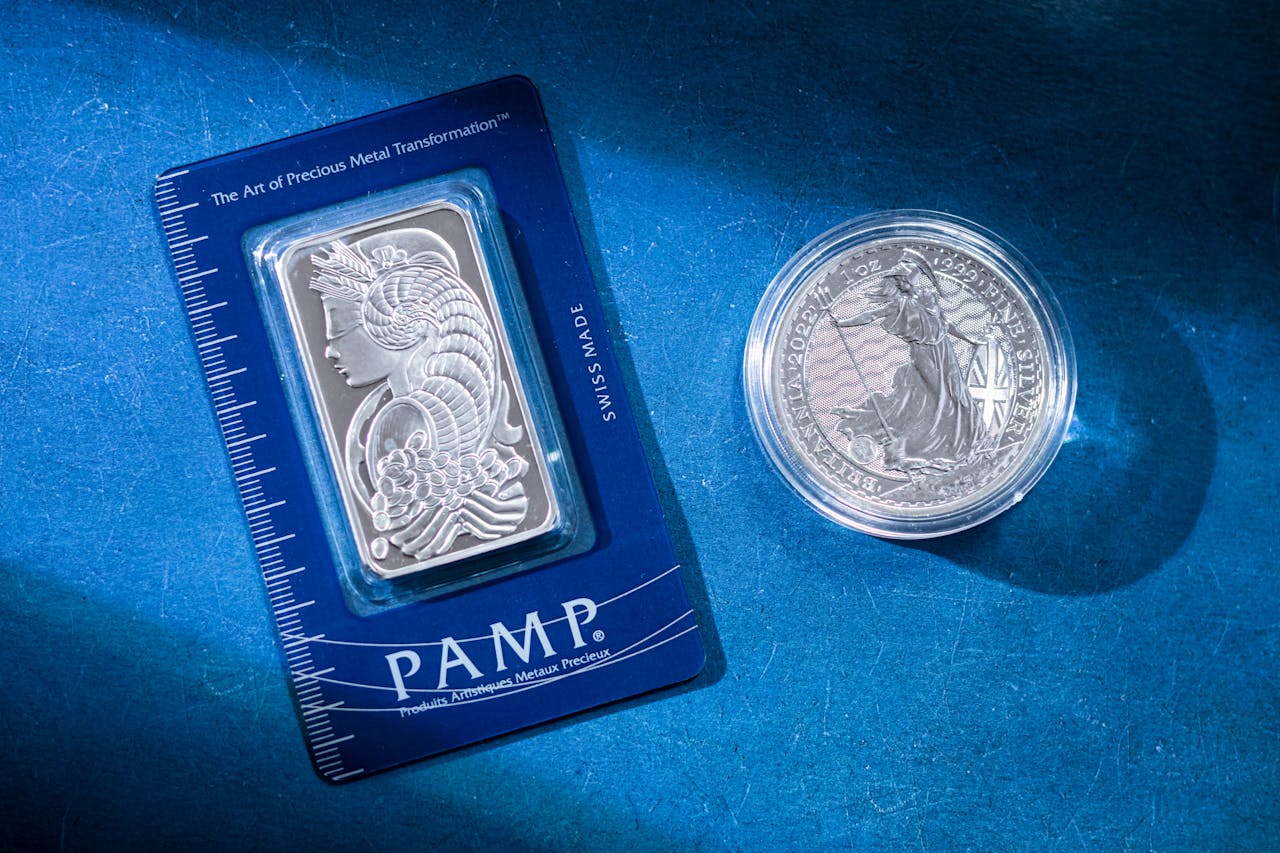
The IRS requires silver bullion to be at least 0.999 fine and explicitly disallows most “collectibles.” Common eligible pieces include American Silver Eagle bullion coins, Canadian Silver Maple Leafs, and Austrian Philharmonics, as well as COMEX/LBMA-acceptable bars from recognized refiners. Numismatic and commemorative coins, often marketed for high commissions, generally don’t qualify. Silver IRAs are designed to hold physical precious metals, ensuring investors own tangible assets stored in secure depositories.
A true Silver IRA uses a self-directed IRA custodian (not a dealer) to administer the account. The roles should be distinct: the custodian/administrator holds the IRA: the dealer sells the metal: the depository stores it. Keeping those duties separate reduces conflicts of interest and simplifies audits, statements, and reporting. Most custodians and dealers have a minimum investment requirement to open a Silver IRA, which can vary by provider.
Storage Options: Segregated Vs. Commingled
Depositories typically offer two models. Segregated storage keeps the exact coins/bars labeled under the client’s name and section. Commingled (sometimes called non-segregated or allocated) stores like-for-like bullion with other clients’ holdings: investors retain title to fungible units, but not specific serial numbers.
These storage options are available for physical gold as well as silver, allowing investors to hold tangible assets within their IRA.
Segregated storage costs more but provides item-level specificity, some investors like seeing bar serials on statements. Commingled storage is cheaper and perfectly acceptable when provided by reputable depositories with robust controls, insurance, and reconciliations. These facilities often store both gold and silver for IRA clients.
Benefits Of Silver IRAs
Investing in a Silver IRA offers retirement savers a range of compelling benefits, especially for those seeking to diversify their portfolios beyond traditional investments. One of the standout advantages of Silver IRAs is their ability to act as a hedge against inflation and market volatility. Physical silver, as part of a precious metals IRA, often retains or increases its value when the dollar weakens or the stock market experiences turbulence, helping to preserve purchasing power and provide stability during uncertain economic periods.
Silver IRAs also come with significant tax advantages. Like traditional or Roth IRAs, contributions to a Silver IRA may be tax-deductible, and any growth within the account is tax-deferred. For those who choose a Roth IRA structure, qualified withdrawals in retirement can be completely tax-free, offering a valuable source of tax-advantaged income. These tax benefits make Silver IRAs an attractive option for investors looking to maximize their retirement savings while minimizing their tax burden.
Another key benefit is the potential for long-term growth. Silver has a strong track record in the precious metals market, and its dual role as both an industrial and monetary metal can drive demand over time. By holding physical silver—such as silver coins and bars—within a Silver IRA, investors gain exposure to a tangible asset that can help anchor a diversified retirement strategy. This physical ownership can also provide peace of mind, as it is not subject to the same risks as paper assets or mutual funds.
When evaluating silver IRA companies, it’s crucial to focus on key factors such as transparent pricing, low account setup fees, and a wide selection of IRS-approved silver products. Top providers in the precious metals industry, including Augusta Precious Metals, Birch Gold Group, and American Hartford Gold, are known for their commitment to customer support, clear fee structures, and secure storage solutions. Checking customer reviews and ratings from organizations like the Better Business Bureau (BBB) or Business Bureau can help investors identify reputable companies and avoid hidden costs or aggressive sales tactics.
Ultimately, adding a Silver IRA to your retirement planning can enhance your overall retirement strategy by providing diversification, tax benefits, and a safeguard against market volatility. By partnering with established silver IRA providers that prioritize customer satisfaction and transparent pricing, retirement savers can position their assets for long-term security and growth. Whether you’re interested in silver, gold, or other precious metals, working with a trusted provider is essential to achieving your retirement goals and building a resilient, diversified retirement portfolio.
How We Evaluate Silver IRA Providers
Reputable Silver IRA Reviews don’t stop at marketing claims. They score providers on transparent pricing, transparent fee structure, responsive customer service, the quality of custodians and depositories, liquidity promises that actually hold up, and whether education is substantive, not a sales funnel in disguise. Providers that openly display up-to-date precious metals prices help investors make informed decisions and demonstrate a higher level of transparency.
Fees And Transparency
Top providers publish (or readily disclose) every cost: IRA setup, annual admin, storage, wire fees, and the dealer’s spread above spot. It’s also important that providers display current silver prices, so investors can ensure they are getting fair value for their investments. If a company obscures its pricing or offers “free” silver that’s later offset by steep markups, that’s a negative. Some providers may also advertise free gold as a promotional incentive, which should be evaluated carefully for hidden costs. Clear, line-item quotes before funding receive higher marks.
Custodian And Depository Standards
Look for IRS-approved custodians with clean regulatory records and experience in alternative assets. On the storage side, depositories such as Delaware Depository, Brinks, and IDS of Texas are commonly used. Best-in-class providers show evidence of insurance at the depository level, regular third-party audits, dual-control procedures, and options for segregated storage. Ratings from organizations like the Business Consumer Alliance can also help assess the credibility of custodians and depositories.
Buyback Policies And Liquidity
A credible buyback policy should quote transparent bid prices with a documented process and fast settlement (often within a few business days after metal is verified). Providers that only promise buybacks “subject to market conditions” without specifics, or that pay notably below competitive bids, score lower.
Education And Client Support
Quality education means balanced materials: risks, fees, volatility, and tax mechanics alongside potential benefits—resources that are especially valuable for retirement investors seeking to make informed decisions. Sales teams should answer technical questions clearly, on eligible coins, rollovers vs. transfers, RMD handling, without steering clients into high-commission collectibles. Dedicated account managers, timely trade confirmations, and clean monthly/quarterly statements matter.
Costs And Fees You Should Expect
Physical metals have carrying costs that index funds don’t. Upfront and ongoing fees vary by firm, but reasonable ranges exist. Knowing them helps investors read Silver IRA Reviews with a sharper eye.
One-Time Setup And Transfer Fees
Most self-directed custodians charge $0–$100 for account setup. Inbound trustee-to-trustee transfers typically cost $0–$50: rollovers are usually free on the custodian’s side, though your releasing plan may assess a fee. Dealers may add wiring or shipping/handling charges: ask for them in writing.
Annual Custody And Storage Fees
Annual administrative fees commonly run $75–$150. Storage depends on segregated vs. commingled and flat vs. value-based pricing. Flat schedules often land around $100–$200 per year: value-based tiers may run roughly 0.5%–1.0% of asset value. Confirm whether insurance is included and who the policyholder is (depository vs. dealer vs. custodian).
Dealer Spreads And Hidden Markups
For standard bullion silver, a competitive retail spread over spot is frequently in the mid-single to low-double digits percentage-wise, though silver’s lower price per ounce can make per-coin costs feel chunky. “Free” or “bonus” silver offers often hide inflated premiums. Always request a live, written quote: spot price, per-unit premium, and total out-the-door cost, before authorizing a trade.
Safety, Risks, And Red Flags
A Silver IRA is only as safe as its counterparties and the investor’s discipline. The metal itself isn’t risky: the path to owning it can be, if a provider cuts corners or a buyer overlooks details. Many investors use strategies to preserve gold and silver within their IRAs to protect against economic uncertainty. Silver is also often considered a safe haven asset during times of market volatility.
Aggressive Sales Tactics And Unapproved Coins
Be cautious with high-pressure pitches, time-limited discounts, or pushes into “collectible” or “proof” coins at massive premiums. The IRS restricts what a retirement account can hold. If a salesperson dismisses eligibility questions or can’t produce written confirmation of IRS-approved status, walk away.
Counterparty Risk And Insurance
The custodian and depository, not the dealer, are central to safety. Confirm the depository’s insurance limits, what perils are covered (theft, mysterious disappearance), and auditing cadence. Insurance does not protect against price declines. Counterparty risk also includes delayed shipments, misallocated inventory, or operational failures, reduced by choosing established custodians and SOC-audited depositories.
Scam Signals And How To Verify
Common red flags: promises of guaranteed returns: home-storage IRA schemes (storing IRA silver at home generally violates IRS rules and risks disqualification): upsells into rare coins “approved for IRAs” at 50%+ premiums: and refusal to send fee schedules. Verify custodians on the IRS list of approved nonbank trustees, confirm depositories are widely recognized, check complaints with state regulators and the BBB, and search for enforcement actions or lawsuits. When in doubt, ask for references and sample statements.
Silver IRA Performance And Portfolio Fit
Silver’s investment case differs from gold’s. It’s part monetary metal, part industrial commodity, used in solar, electronics, and medical applications. That dual role creates a different risk/return profile that belongs only in measured allocations. Silver IRAs can help protect retirement assets from inflation and market downturns.
Including silver in a retirement portfolio can contribute to long term financial security by diversifying away from traditional assets.
Silver Vs. Gold In Retirement Accounts
Gold historically behaves as a lower-volatility store of value: silver typically moves more, both up and down. In stress episodes, gold often leads as a hedge, while silver can lag or overshoot later. Gold IRAs are a popular option for investors seeking stability in their retirement portfolios, while silver IRAs offer more volatility and potential upside. For investors seeking a steadier ballast, gold tends to be preferred: for those comfortable with cyclicality and potential torque to precious metals cycles, silver can complement gold, and many investors choose to hold both gold and silver in their retirement accounts for diversification.
Volatility, Correlation, And Allocation Ranges
Silver’s volatility is materially higher than gold’s and equities’ on many multi-decade datasets. Correlation with stocks and bonds has varied but is often modest, which can aid diversification. In practice, many fiduciaries who use precious metals suggest total metals exposure around 5%–10% of a diversified portfolio, with silver representing a subset of that (for example 1%–5%), scaled to risk tolerance and time horizon. Rebalancing discipline is essential given silver’s sharp swings.
Tax Considerations And RMDs
Within a Traditional IRA, taxes are deferred: distributions are taxed as ordinary income. In a Roth IRA, qualified withdrawals are tax-free. Beginning at age 73 under current U.S. rules, required minimum distributions (RMDs) apply to Traditional accounts. Metals can be sold to raise cash for RMDs or distributed in-kind (you’ll owe taxes on the fair market value). Plan ahead so storage and transaction timelines don’t force rushed sales in December.
Steps To Open Or Rollover A Silver IRA
Opening a Silver IRA isn’t complicated, but sequence matters. The silver IRA market has evolved, with the top IRA companies offering improved transparency and investor support. A clean process avoids taxable mistakes and needless costs.
Choosing A Custodian And Dealer
Start with an IRS-approved self-directed custodian that clearly posts fees and supports your preferred depository. Then choose a dealer known for low spreads on bullion, documented shipping procedures, and professional trade confirmations. The custodian should not require you to use a single “house dealer.” Comparing at least two dealer quotes on the same items can save thousands over time.
When evaluating providers, investors should consider the best silver IRA companies and best gold IRA companies, which are frequently ranked based on transparency, fees, and customer support. Researching top gold IRA companies and gold IRA companies can help you identify trustworthy options for both gold and silver investments. Reputable providers such as Noble Gold, Noble Gold Investments, Lear Capital, and GoldenCrest Metals are recognized for their strong industry reputations and excellent customer service.
Funding: Transfer Vs. Rollover Vs. Contribution
A direct trustee-to-trustee transfer from an existing IRA is usually simplest and keeps assets out of your hands. Rollovers from 401(k)/403(b)/TSP accounts can be direct (preferred) or indirect, the latter uses the 60‑day rule and can trigger withholding or taxes if mishandled. Annual IRA contributions are limited by IRS caps: confirm current limits before funding.
Placing Trades And Arranging Storage
Once funds arrive, place a specific order: product, quantity, premium, and total price tied to spot at time of trade. Ensure the trade ticket states commingled vs. segregated storage and the exact depository. After settlement, ask for a confirmation from the dealer and a holdings statement from the custodian showing ounces, product types, and, if segregated, bar serials. Review annually for accuracy and fee drift.
Conclusion
Serious Silver IRA Reviews separate marketing from mechanics. The winners are providers that publish every fee, use top-tier custodians and depositories, honor buybacks at competitive bids, and educate without hype. Silver can play a supporting role in retirement portfolios, especially for investors who accept higher volatility, in measured allocations with disciplined rebalancing. As the silver IRA space continues to evolve as part of the broader precious metals world, investors face new opportunities and challenges that require careful consideration. As always, verify eligibility, insist on written quotes, and keep the custodian, dealer, and depository roles cleanly separated. That’s how investors bring precious‑metals benefits into an IRA without inheriting avoidable risks.
Key Takeaways
- A Silver IRA holds IRS‑approved 0.999 fine silver purchased through a self‑directed custodian and stored in a qualified depository, not at home.
- Keep roles separate—custodian administers, dealer sells, depository stores—to reduce conflicts and simplify audits and reporting.
- Choose storage by need: segregated costs more and tracks specific bars/coins, while commingled is cheaper and acceptable with reputable, insured depositories.
- Trust Silver IRA Reviews that highlight line‑item pricing, strong custodians/depositories, competitive buybacks with fast settlement, balanced education, and clear warnings on collectibles and pressure sales.
- Expect clear fees—setup ($0–$100), admin ($75–$150), storage (flat $100–$200 or 0.5%–1.0%), and transparent dealer spreads—and demand written quotes to avoid hidden markups or “free silver” traps.
- Use silver as a measured allocation (about 1%–5% of a diversified portfolio), recognize its higher volatility than gold, and rebalance with discipline.
Frequently Asked Questions
What is a Silver IRA and how does it work?
A Silver IRA is a self-directed IRA that holds IRS-approved silver bullion and coins. You open the account with an IRS-approved custodian, fund it via transfer, rollover, or contribution, and instruct purchases from an approved dealer. The metals are shipped to a qualified depository, and the custodian handles IRS reporting.
What do credible Silver IRA reviews evaluate in a provider?
Strong Silver IRA reviews prioritize transparent, line-item pricing; reputable, IRS-approved custodians; top-tier depositories with insurance and audits; and clear, fast buyback procedures. They also assess whether education covers risks, fees, and eligibility rules—without pressuring investors into high-commission, non-qualifying collectibles or vague “free silver” offers.
Is segregated or commingled storage better for a Silver IRA?
Segregated storage assigns specific coins/bars to you—often with serials on statements—at a higher cost. Commingled (allocated) keeps like-for-like bullion pooled but tracked to your ownership and is cheaper. With reputable, insured depositories and strong controls, commingled is typically sufficient; choose segregated if item-level specificity matters to you.
What fees should I expect, and how can Silver IRA reviews reveal hidden costs?
Typical ranges: $0–$100 setup, $0–$50 transfer, $75–$150 annual admin, and roughly $100–$200 or 0.5%–1.0% for storage, plus dealer spreads. Quality reviews flag opaque pricing, wire/shipping add-ons, and “free silver” that’s offset by inflated premiums. Always request live, written quotes: spot, premium, and total cost.
Are Silver IRAs better than silver ETFs for retirement investing?
It depends on goals. Silver IRAs provide direct ownership of bullion with storage and admin fees, potential buyback logistics, and IRA tax treatment. Silver ETFs offer high liquidity, low expense ratios, and easy rebalancing but no claim on specific bars within an IRA. Consider costs, convenience, custody, and diversification needs.
How long does a Silver IRA rollover or transfer take?
Most trustee-to-trustee IRA transfers finish in 5–15 business days, depending on the releasing custodian’s processing times. Direct rollovers from 401(k)/403(b)/TSP plans can take 1–3 weeks. After funds arrive, placing trades and confirming depository receipt may add several business days. Start early to avoid year-end RMD timing crunches.